Holster Fit and Sizing Guide: Getting the Exact Match for Your Gun
A holster is made for one gun in one configuration. Here is how generations, lights, optics and barrels change the fit, and how to check retention and trigger coverage at home.
☎ 252-937-8198 | chris@concealedhandguncarry.com | Elm City, NC · Serving Wilson, Rocky Mount & Raleigh

A holster is made for one gun in one configuration. Here is how generations, lights, optics and barrels change the fit, and how to check retention and trigger coverage at home.
How to break in a tight leather holster without ruining it, how to keep it from softening, and how to recognize the collapsing mouth and loose retention that mean it is done.
Printing is almost always caused by the grip, the holster angle, the belt, the shirt or your posture. Here is how to find which one, and why most people are not looking anyway.
A safe dry-fire setup, the four-step draw we teach, how to clear an open-front or closed-front garment, and a progression of reps before you ever do it live.
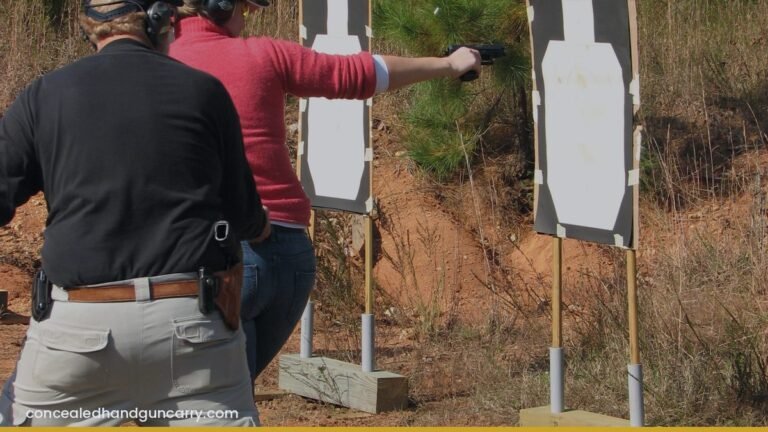
Half the holster problems we fix on the range are belt problems. Here is what a gun belt does, how stiff and wide it needs to be, and how to size one with a holster on.
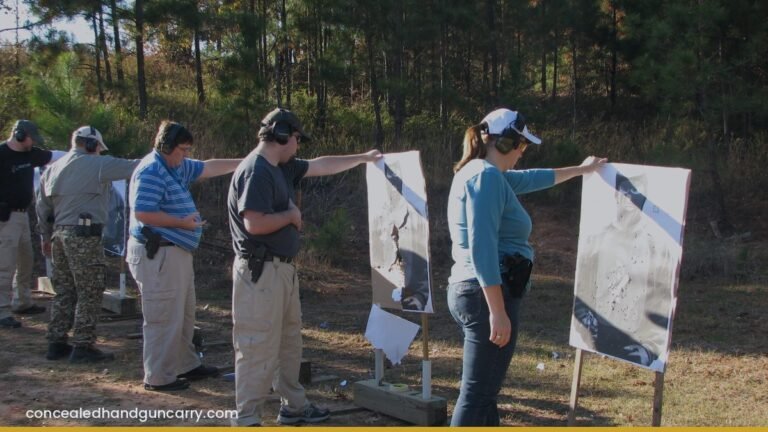
The four most common alternatives to a belt holster, what each is good for, where each one fails, and the rules we insist on before a student carries any of them.
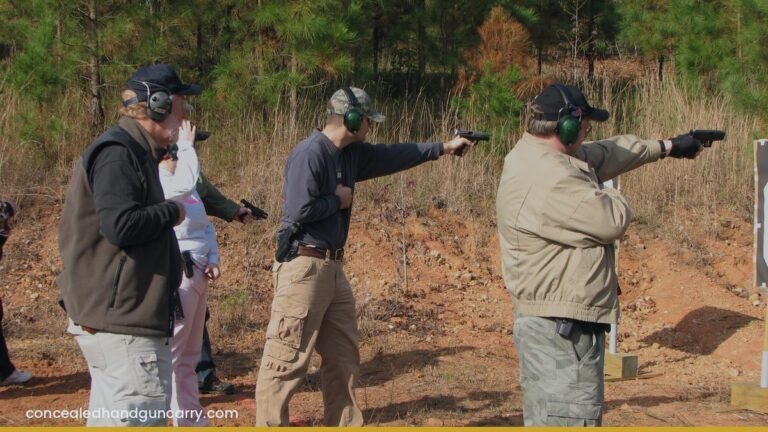
A shorter torso and a defined hip change where a holster sits and how a gun prints. Here is what we see work on-body, when off-body carry is acceptable, and what Dianne teaches in our women’s class.
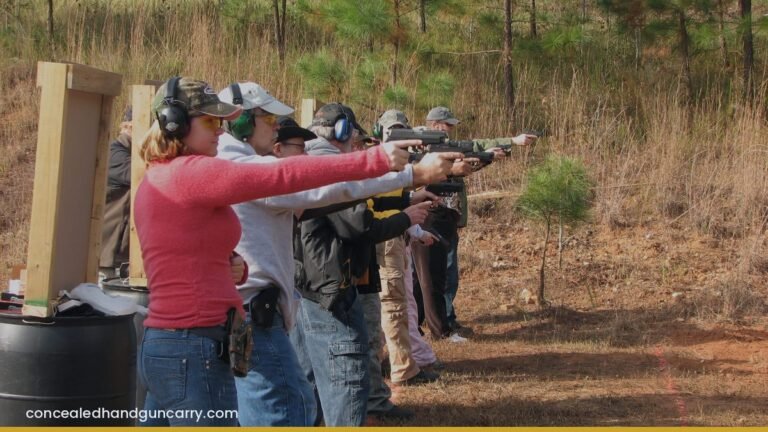
Where the gun goes on your belt is described by the clock. Here is what each position does well, what it costs, and why we steer students away from the small of the back.
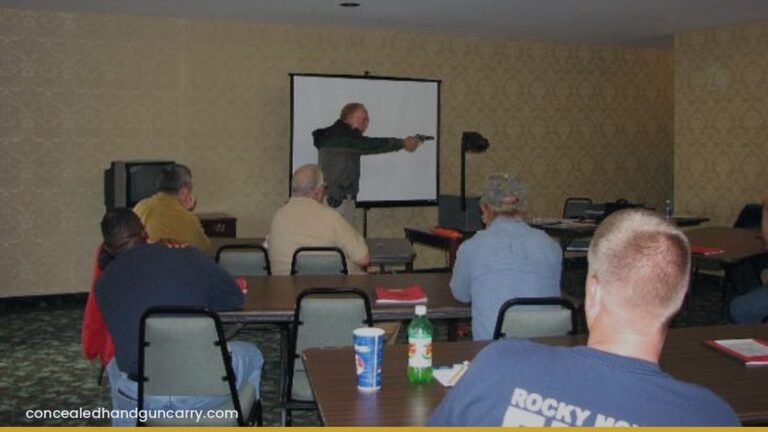
The holster rules we enforce on every range line, the myth about re-holstering without looking, and the negligent-discharge patterns we have seen that trace back to the holster.
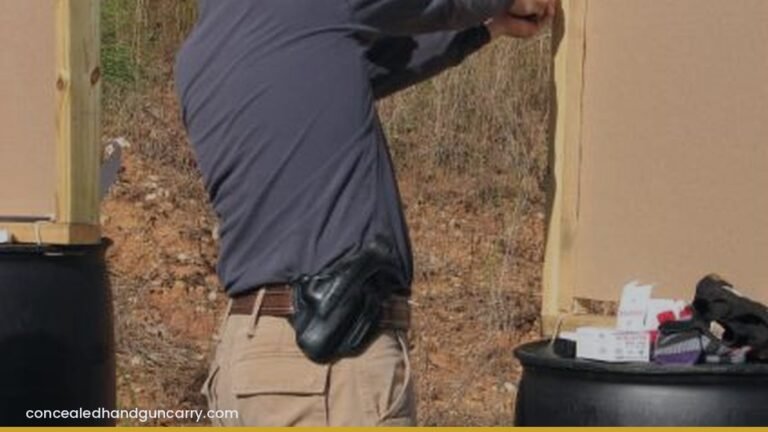
Retention levels come from police duty holsters. Here is what the numbers mean, how much a concealed carrier actually needs, and the safe way to test your own holster.
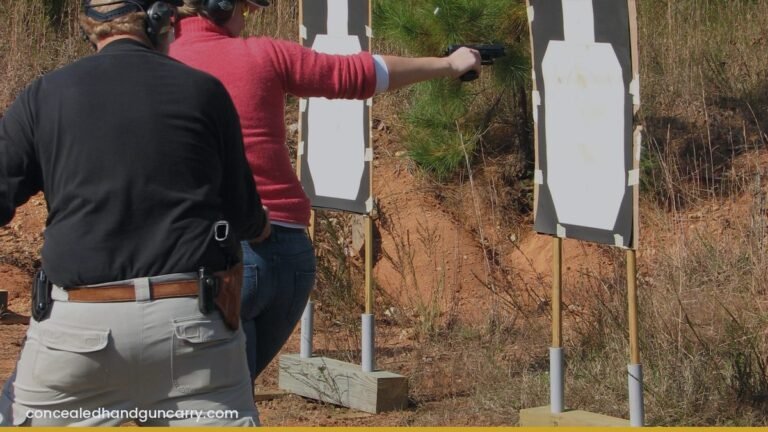
The three holster materials compared the way an instructor sees them on the range, with a table, the failure modes of each, and why we point beginners toward Kydex.
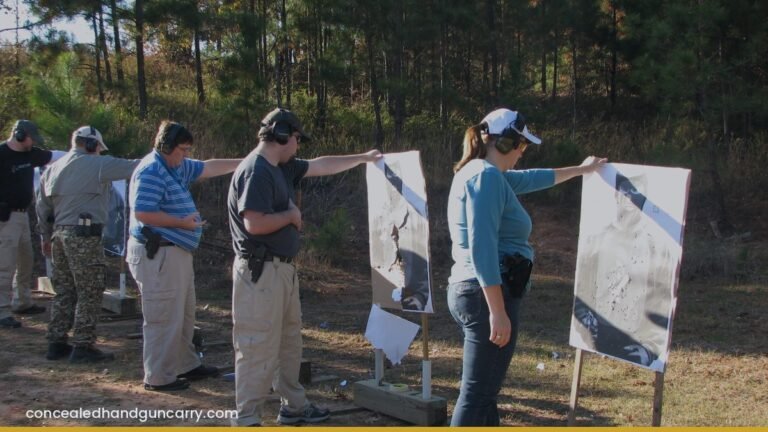
Appendix inside-the-waistband carry is fast and concealable, and it points the muzzle at your own leg every time you holster. Here is how we teach it and who should wait.